News:
Lower Thames Crossing Could Redefine Low-Carbon Construction Power in the UK
The Lower Thames Crossing – the major new road and tunnel link between Kent and Essex – is placing sustainability at the centre of one of the UK’s largest infrastructure projects.
The scheme, led by National Highways, aims to become the first major British infrastructure project to deliver carbon-neutral construction, setting new benchmarks for how large-scale developments are powered.
With preparatory works now underway, this ambition is beginning to translate into real-world applications of alternative energy technologies.
Recent BBC coverage in November 2026 highlighted the deployment of some of the world’s largest battery-powered construction vehicles on the project, demonstrating how low-carbon technologies are moving beyond trials and into large-scale infrastructure operations.
As part of this ambition, contractors and supply chain partners are adopting lower-carbon energy solutions, moving away from traditional diesel-dependent site power towards cleaner alternatives.
A Shift Away From Traditional Diesel Power
Large construction sites have historically relied on diesel generators to provide temporary electricity for site offices, equipment, lighting and other operational needs.
However, with infrastructure projects under increasing pressure to meet Net Zero targets, developers are exploring a combination of alternative energy technologies, including hydrogen power, alternative fuels, electrified equipment, hybrid energy systems and battery energy storage.
National Highways confirmed in November 2026 that four electric articulated dump trucks, each capable of carrying up to 39 tonnes of construction materials, are now operating on the Lower Thames Crossing project. The vehicles are charged using electricity generated on site from green hydrogen produced in Britain.
With conventional diesel no longer being used on the project's worksites, the combination of hydrogen, hydrotreated vegetable oil (HVO) and electrified machinery demonstrates a significant shift in how major infrastructure projects can be delivered.
But introducing low-carbon machinery is only part of the challenge. As construction equipment becomes increasingly electrified, how energy is generated, stored, distributed and managed across a site becomes equally important.
Hybrid energy systems combining multiple power sources and intelligent energy management could therefore play a critical role in achieving meaningful carbon reductions.
The Role of Intelligent Energy Storage
Battery Energy Storage Systems (BESS) are becoming an increasingly important component of modern construction site power strategies.
Rather than running generators continuously, intelligent battery systems allow projects to store energy and distribute it more efficiently, helping to reduce fuel consumption and lower emissions.
When integrated with generator fleets – including hydrogen or low‑carbon fuel generators – BESS units can reduce generator runtime, smooth energy demand during peak periods, optimise power distribution across site equipment and lower overall fuel use and emissions.
Depending on site demand, load profiles and system configuration, a well-designed hybrid power system could reduce generator runtime by up to 60%, delivering significant fuel savings, lower operating costs and reduced emissions.
Modern battery storage systems equipped with intelligent energy management software can automatically manage power flows across construction equipment, site cabins and temporary infrastructure. This hybrid approach allows generators to run more efficiently while batteries handle fluctuating energy demand throughout the working day.
Hybrid Power Systems for Major Infrastructure Projects
Large infrastructure developments such as the Lower Thames Crossing can benefit from temporary microgrids, combining multiple energy sources to power complex construction operations.
Hybrid systems allow project teams to balance different power inputs while maintaining reliability across large and energy‑intensive sites. Advanced hybrid energy management systems can monitor demand, control distribution and optimise energy use in real time.
As contractors increasingly adopt hybrid power strategies, technologies such as intelligent battery storage, generator optimisation and time‑of‑day energy management are becoming central to delivering reliable, lower‑carbon site power.
Why the Lower Thames Crossing Matters for Kent
With early works underway since March 2026 and major construction and tunnelling scheduled to begin in 2028, the Lower Thames Crossing represents one of the most ambitious infrastructure projects undertaken in the UK in recent years.
Beyond its planned improvements to transport connectivity between Kent and Essex, the project could influence how future developments approach construction energy management and emissions reduction.
For Kent's engineering, manufacturing and construction supply chain, it also highlights the growing importance of developing the technologies, infrastructure and expertise needed to support the transition to lower-carbon construction.
Large-scale infrastructure projects often act as technology catalysts, accelerating the adoption of new energy solutions across the wider construction sector. The Lower Thames Crossing could become an important example of what can be achieved at scale.
The Growing Role of Intelligent Power Management
Introducing alternative energy sources is only one part of delivering more efficient construction power. How these assets work together ultimately determines their effectiveness.
Technologies such as time-of-day optimisation, load balancing, remote monitoring and automated generator control enable project teams to respond to changing energy demands, minimise unnecessary generator runtime and make better use of available power sources.
For major infrastructure developments like the Lower Thames Crossing, this level of intelligent energy management could help contractors meet sustainability objectives while maintaining reliable site power.

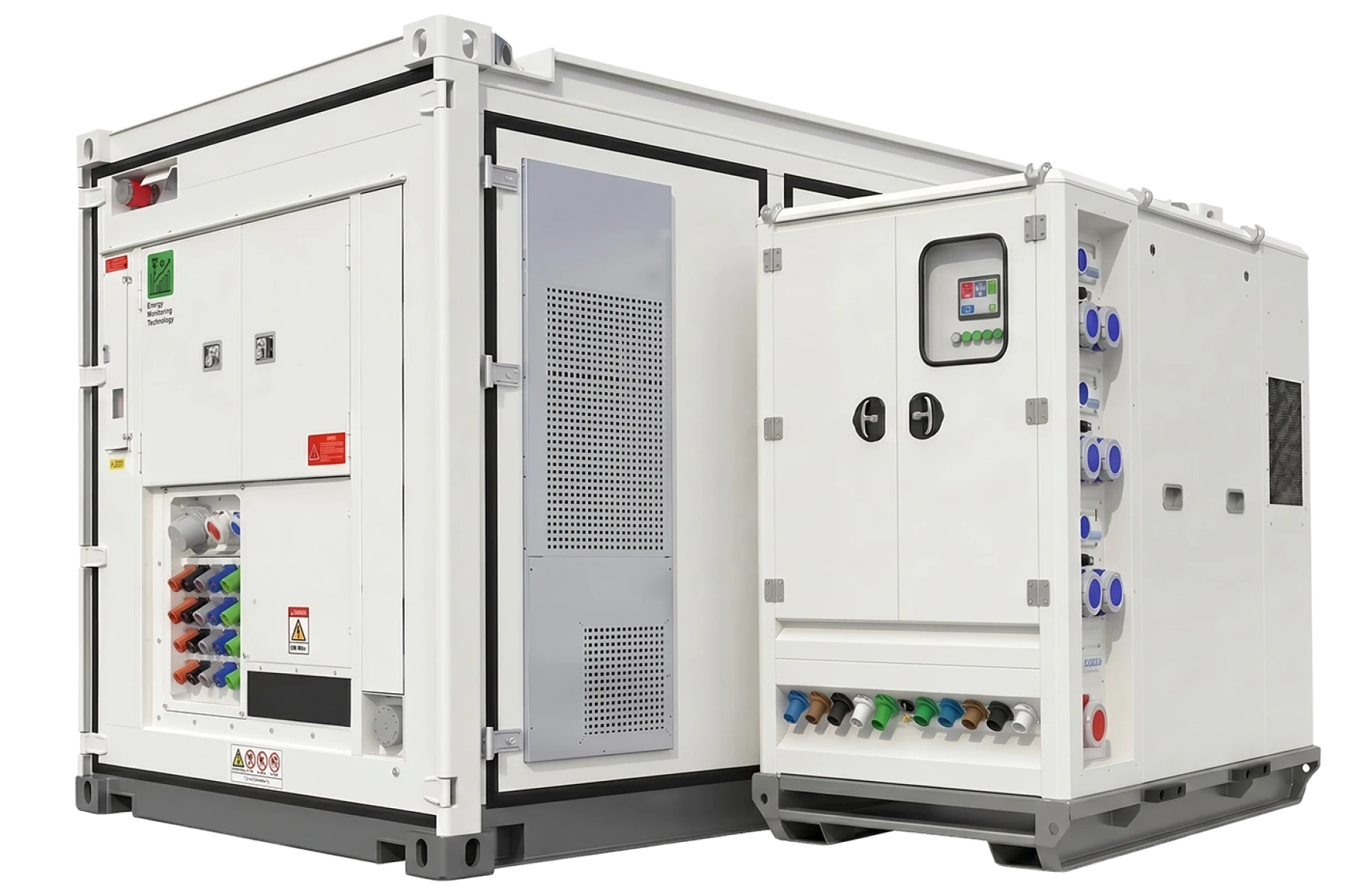
Based in Aylesford, Kent, Energy Solutions designs and manufactures Battery Energy Storage Systems (BESS) with integrated Hybrid Energy Management Systems (HEMs) for modern construction and temporary power environments.
Working with major plant hire companies across the UK, our EasyGrid systems help optimise generator performance, reduce fuel consumption and improve overall energy efficiency across construction sites.
This approach to intelligent site power received national recognition in 2026, with EasyGrid with HEMs taking second place in the National Product of the Year category at the National Energy Efficiency Awards.
As large infrastructure projects increasingly adopt alternative power sources, intelligent energy storage and automated energy management will play an important role in delivering reliable, efficient and lower-carbon temporary power.
Sign up to our mailing list
Keep up to date with the latest news and offers.

|
Thank you for Signing Up |


Submitting your details indicates that you have read and agree to our privacy policy and cookie policy. You can unsubscribe from our emails by using the link at the bottom of all emails we send.